

마린유겐트 코리아 "갯벌에서 세계로…인천에서 글로벌 블루이코노미 혁신 이끈다"
- 해양생태계 보전과 바이오 신산업을 결합한 지속가능한 블루이코노미 발전전략 제시
- 국내 산학연·기업·지역사회가 함께하는 해양바이오·환경 리빙랩 구축 추진
- FAO·GGGI·EAAFP 연계, 다국가 공동연구·Horizon Europe 컨소시엄 기획 확대
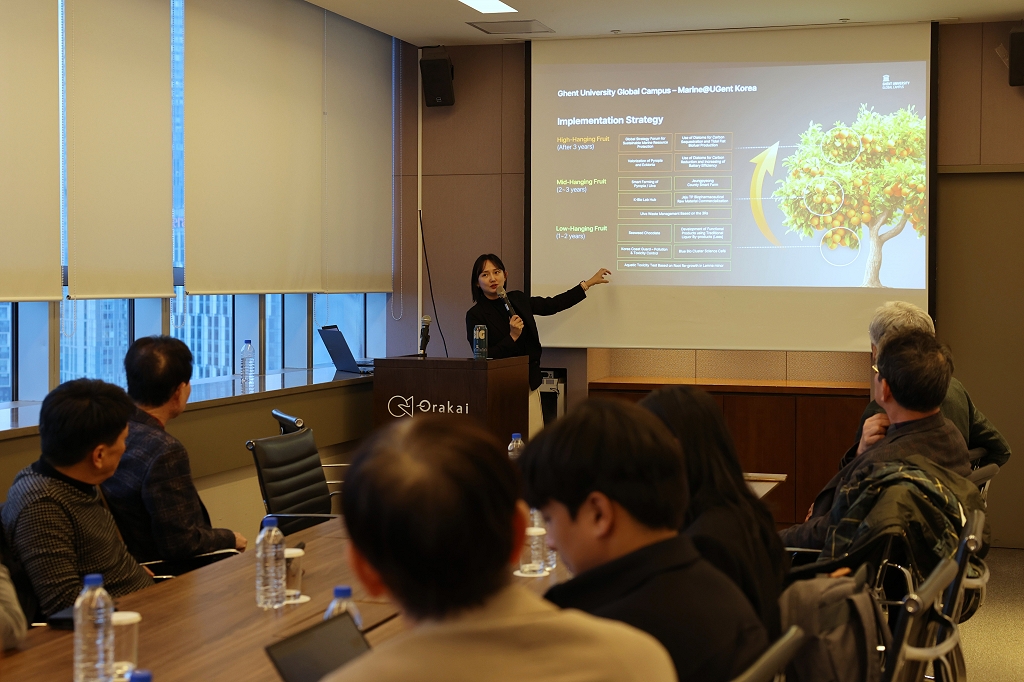
벨기에 겐트대학교(Ghent University)의 해양융복합 연구거점인 마린유겐트 코리아(Marine@UGent Korea, 이하 MUK)가 인천을 중심으로 해양생태계 보전과 바이오 신산업 창출을 함께 추구하는 지속가능한 블루이코노미(Blue Economy) 전략을 추진한다.
MUK는 19일 열린 ‘미디어 & 파트너스 데이’에서 국내외 산학연 협력, 현장 중심 리빙랩, 해양바이오 기술사업화, 기후·환경 연구 및 국제협력 확대를 주요 내용으로 하는 2027년 사업 방향과 중장기 비전을 밝혔다.
2024년 인천 송도에 개소한 MUK는 산업통상부, 인천광역시, 인천경제자유구역청의 지원과 겐트대학교의 연구역량을 기반으로 설립됐다. 학술적 기반인 Marine@UGent는 다양한 학문 분야의 연구진이 참여하는 유럽의 저명한 해양·해사 융복합 연구 컨소시엄이다. MUK는 본교의 글로벌 역량을 한국의 대학·연구소·기업 및 해양자원과 연결하는 국제 연구혁신 거점으로 발전하고자 한다.
■ 블루이코노미 실현을 위한 ‘해양바이오·환경 리빙랩’ 구축
MUK 발전전략의 중심에는 연구실에서 개발된 기술을 실제 해양·산업 현장에서 시험하고 개선한 뒤 제품과 정책으로 연결하는 리빙랩(Living Lab)이 있다. 대학·정부출연연구기관·전문연구소·기업·지자체·지역주민이 연구 초기부터 함께 문제를 정의하고, 현장실증과 평가, 기술개선 및 사업화에 참여하는 개방형 협력모델이다.
이를 위해 송도의 연구개발 역량, 남동국가산업단지의 제조·제품화 기반, 강화·옹진의 해양자원과 갯벌·연안 현장을 연계한다. 해조류·미세조류 생산 및 소재개발, 화장품·식품 등 제품화, 환경오염 모니터링, 갯벌 탄소순환 및 생물다양성 평가를 하나의 현장 중심 협력체계에서 추진한다.
리빙랩은 연구성과의 적용 가능성과 환경적 안전성을 함께 검증하고, 기업의 기술 수요를 연구과제로 연결하며, 지역사회가 연구성과를 직접 활용할 수 있도록 하는 실천 기반이 될 전망이다. MUK는 이를 통해 해양생태계를 지키면서 지역에 산업적 기회를 창출하는 지속가능한 블루이코노미 모델을 구현하고자 한다.
■ 해조류 맥주에서 화장품·의약소재까지… 해양바이오 산업화 확대
MUK는 해조류 맥주 ‘BIG’를 비롯해 해양생물 유래 식품·음료, 기능성 화장품, 의약소재 후보물질, 친환경 섬유, 바이오차·활성탄 등 고부가가치 소재의 연구개발과 산업적 활용을 추진한다. 기능성 성분을 활용한 뒤 남은 부산물까지 새로운 자원으로 전환하는 바이오리파이너리(Biorefinery)와 순환형 바이오경제도 중점 분야다.
장봉도 김 등 지역 해양자원을 활용한 특화 제품과 남동국가산업단지 기업의 기술 수요를 연결하여 공동개발, 성능·안전성 검증, 시제품 개발 및 사업화 협력을 확대할 계획이다. 국내 대학·연구기관과 기업의 참여를 통해 연구역량을 결집하고, 유상 공동연구와 기술서비스 등 지속가능한 협력 기반도 강화한다.
■ FAO·GGGI·EAAFP와 글로벌 문제 해결형 협력
MUK는 유엔식량농업기구(FAO), 글로벌녹색성장기구(GGGI), 동아시아–대양주 철새이동경로 파트너십(EAAFP) 등 국제기구·협력체와의 연계를 통해 해양기술을 식량안보, 탄소감축, 생물다양성 보전과 연결할 계획이다.
FAO와의 협력에서는 지속가능한 해조류·미세조류 생산, 식량·영양자원 활용, 개발도상국 식량공급 및 저탄소 생산기술을 중점적으로 모색한다. GGGI와는 갯벌·연안생태계의 보전·복원과 자연기반 탄소감축, 탄소효과 측정·보고·검증(MRV) 및 국제 현장실증 사업을 발굴한다. EAAFP와는 갯벌과 철새 이동경로·서식지의 보호·보전, 먹이생물과 생물다양성 조사, 장기 환경모니터링 및 과학적 관리기술을 중심으로 협력을 강화한다.
특히 인도네시아, 칠레, 에콰도르 등에서는 유엔기구 및 국제협력기관과 연계하여 해조류·미세조류 기반 탄소감축, 해양바이오 산업화 및 환경관리 공동사업을 추진할 계획이다. 실제 사업별 협약 및 실행 단계에 맞춰 현장협력과 기술실증을 구체화할 방침이다.
■ 유럽·북미·아시아·태평양·남미 네트워크…Horizon Europe 기획·조정 추진
MUK는 벨기에를 비롯해 덴마크, 아일랜드, 스웨덴, 독일, 포르투갈, 네덜란드, 노르웨이, 프랑스, 영국 등 유럽 국가와 미국·캐나다, 중국·일본·호주·뉴질랜드·몽골 등 각국의 대학·연구기관·기업과 협력 기반을 확대하고 있다.
특히 유럽연합 Horizon Europe 등 다국가 연구개발사업에서 해양바이오, 지속가능한 양식, 친환경 신소재, 탄소감축 및 환경안전 분야 컨소시엄을 공동 기획하고, 향후 총괄조정기관(Coordinator) 역할까지 추진할 계획이다. 실제 총괄조정 여부는 해당 공모의 자격요건과 과제 선정 결과에 따른다.
이를 통해 겐트대학교 본교의 국제 연구영향력을 확장하고, 한국의 연구기관과 산업체가 글로벌 연구개발 및 시장진출 기회를 확보하도록 지원할 계획이다.
■ 갯벌 블루카본·환경안전·국제표준화를 연구와 현장에 연결
MUK는 서해 갯벌의 규조류 등 미세조류에 의한 탄소고정과 탄소의 이동·재방출·매몰 및 장기 저장 과정을 구분해 연구하고, 이를 바탕으로 신뢰성 있는 블루카본 MRV 체계를 개발하고자 한다. 생물다양성과 철새 서식지 기능을 함께 살펴 갯벌 보전·복원과 기후대응에 필요한 과학적 근거를 제공할 계획이다.
아울러 국내 수생생물과 미세조류 등을 활용한 생태독성·환경영향 평가기술을 고도화하고, 이를 KS 및 ISO 표준화 활동에 연계한다. 관련 연구성과는 산업체의 환경안전 검증, 현장 모니터링, 정부·지자체의 정책 자문 및 국제 시험기술 협력으로 확장할 방침이다.
■ 2027년, 연구·실증·사업화를 연결하는 실행의 해
MUK는 2027년 국내 산학연 공동연구와 해양바이오·환경 리빙랩 운영 기반 구축, 기업 공동개발 및 기술서비스, 국제기구 연계사업 구체화, Horizon Europe 컨소시엄 기획, 갯벌 블루카본과 국제표준화 활동을 중점 추진한다. 청소년 해양과학교육, 연구인력 교류, 기업과 연구자의 소통을 위한 사이언스 카페 등 지역사회 참여도 확대할 계획이다.
이를 통해 MUK는 해양생물자원의 활용과 해양환경의 보전이 상충하지 않고 함께 발전하는 블루이코노미 모델을 인천에서 실증하고, 국내외 협력을 통해 확산시켜 나가고자 한다.
■ 박지혜 소장 “연구실을 넘어 현장에서 블루이코노미의 성과 만들 것”
마린유겐트 코리아 박지혜 소장은 “겐트대학교 Marine@UGent의 융복합 연구역량을 한국의 대학·연구소·기업과 연결해 해양바이오 신산업과 기후·환경 문제 해결에 기여하겠다”며 “MUK가 지향하는 블루이코노미는 해양자원을 활용하는 산업적 성장뿐 아니라 갯벌과 생물다양성을 지키고 지역사회에 지속가능한 가치를 돌려주는 것”이라고 밝혔다.
이어 “산학연과 지역사회가 함께 참여하는 리빙랩을 통해 과학적 발견을 현장실증과 제품개발, 국제표준 및 정책으로 연결하겠다”며 “산업통상부, 인천광역시, 인천경제자유구역청과 겐트대학교 본교의 지원에 감사드리며, 인천에서 축적한 성과가 한국의 경쟁력과 세계의 지속가능한 발전에 기여하도록 노력하겠다”고 말했다. //끝//
※ 언론보도
▷ 인천 갯벌, 세계 해양바이오 산업의 거점으로… 마린유겐트 코리아 글로벌 도전 - 헤럴드경제
▷ 마린유겐트 코리아, 인천발 ‘지속가능 블루이코노미’ 본격 가동... "인천에서 이끄는 혁신" - 투어코리아뉴스
▷ “인천 갯벌과 해양자원을 미래 먹거리로 ”…겐트대 마린유겐트, 글로벌 해양개발 프로젝트 추진 - 뉴데일리
▷ 마린유겐트 코리아, 장봉도 김으로 만든 밀맥주 및 화장품 소재 연구 발표 - 국제뉴스 등 다수 매체 보도
Marine@UGent Korea: "From Tidal Flats to the World… Leading Global Blue Economy Innovation from Incheon"
-
Proposes a sustainable Blue Economy development strategy combining marine ecosystem conservation and new bio-industries
-
Pushes forward the establishment of a marine bio and environmental Living Lab jointly participated in by domestic industry-academia-research institutes, businesses, and local communities
-
Expands multinational joint research and Horizon Europe consortium planning in linkage with FAO, GGGI, and EAAFP
Marine@UGent Korea (hereinafter referred to as MUK), the marine convergence research hub of Belgium's Ghent University, is pursuing a sustainable Blue Economy strategy centered in Incheon that simultaneously seeks marine ecosystem conservation and the creation of new bio-industries.
At the 'Media & Partners Day' held on the 19th, MUK unveiled its 2027 business direction and mid-to-long-term vision, focusing on domestic and international industry-academia-research cooperation, field-oriented Living Labs, marine bio technology commercialization, climate and environmental research, and the expansion of international cooperation.
Opened in Songdo, Incheon in 2024, MUK was established with the support of the Ministry of Trade, Industry and Energy, Incheon Metropolitan City, and the Incheon Free Economic Zone Authority, alongside the research capabilities of Ghent University. Its academic foundation, Marine@UGent, is a renowned European marine and maritime convergence research consortium involving researchers from diverse academic disciplines. MUK aims to develop into an international research and innovation hub connecting the global capabilities of its home university with Korean universities, research institutes, businesses, and marine resources.
■ Establishing a ‘Marine Bio and Environmental Living Lab’ to Realize the Blue Economy
At the core of MUK's development strategy is a Living Lab that tests and refines technologies developed in laboratories at actual marine and industrial sites before connecting them to products and policies. It is an open collaboration model in which universities, government-funded research institutes, specialized research institutes, businesses, local governments, and local residents define problems together from the early stages of research and participate in field verification, evaluation, technology improvement, and commercialization.
To this end, it links Songdo's R&D capabilities, Namdong National Industrial Complex's manufacturing and commercialization base, and the marine resources, tidal flats, and coastal sites of Ganghwa and Ongjin. Seaweed and microalgae production and material development, commercialization of cosmetics and food, environmental pollution monitoring, and tidal flat carbon cycle and biodiversity assessments will be promoted under a single field-oriented cooperation system.
The Living Lab is expected to serve as a practical foundation that jointly verifies the applicability and environmental safety of research outcomes, links corporate technology demand to research projects, and enables local communities to directly utilize research results. Through this, MUK seeks to implement a sustainable Blue Economy model that creates industrial opportunities in the region while protecting the marine ecosystem.
■ From Seaweed Beer to Cosmetics and Pharmaceutical Materials… Expanding Marine Bio Industrialization
MUK promotes the R&D and industrial utilization of high-value-added materials, including the seaweed beer ‘BIG’, marine organism-derived food and beverages, functional cosmetics, pharmaceutical material candidates, eco-friendly fibers, and biochar/activated carbon. Biorefinery and the circular bioeconomy—which convert even the remaining byproducts after utilizing functional ingredients into new resources—are also key focus areas.
By connecting specialized products utilizing local marine resources such as Jangbongdo laver (gim) with the technology demands of companies in the Namdong National Industrial Complex, MUK plans to expand cooperation in joint development, performance and safety verification, prototype development, and commercialization. It will also pool research capabilities through the participation of domestic universities, research institutes, and businesses, and strengthen sustainable cooperation foundations such as paid joint research and technical services.
■ Global Problem-Solving Cooperation with FAO, GGGI, and EAAFP
MUK plans to link marine technology with food security, carbon reduction, and biodiversity conservation through partnerships with international organizations and cooperative bodies such as the Food and Agriculture Organization of the United Nations (FAO), the Global Green Growth Institute (GGGI), and the East Asian–Australasian Flyway Partnership (EAAFP).
In cooperation with FAO, MUK will focus on sustainable seaweed and microalgae production, utilization of food and nutritional resources, food supply for developing countries, and low-carbon production technologies. With GGGI, it will identify projects for the conservation and restoration of tidal flat and coastal ecosystems, nature-based carbon reduction, carbon effect Measurement, Reporting, and Verification (MRV), and international field demonstrations. With EAAFP, it will strengthen cooperation centered on the protection and conservation of tidal flats, migratory bird flyways, and habitats, surveys of prey organisms and biodiversity, long-term environmental monitoring, and scientific management technologies.
In particular, in countries such as Indonesia, Chile, and Ecuador, MUK plans to pursue joint projects for seaweed and microalgae-based carbon reduction, marine bio industrialization, and environmental management in linkage with UN agencies and international cooperation organizations. Field cooperation and technology demonstration will be materialized in accordance with the agreements and execution stages of each actual project.
■ Europe, North America, Asia-Pacific, and South America Networks… Promoting Horizon Europe Planning and Coordination
MUK is expanding its cooperation base with universities, research institutes, and companies across European countries—including Belgium, Denmark, Ireland, Sweden, Germany, Portugal, the Netherlands, Norway, France, and the United Kingdom—as well as the United States, Canada, China, Japan, Australia, New Zealand, and Mongolia.
In particular, in multinational R&D programs such as the European Union's Horizon Europe, MUK plans to jointly plan consortia in the fields of marine bio, sustainable aquaculture, eco-friendly new materials, carbon reduction, and environmental safety, and even pursue the role of Coordinator in the future. Actual coordination will depend on the eligibility requirements of the respective calls and project selection results.
Through this, MUK plans to expand the international research influence of Ghent University's home campus and support Korean research institutes and industries in securing global R&D and market entry opportunities.
■ Connecting Tidal Flat Blue Carbon, Environmental Safety, and International Standardization to Research and the Field
MUK intends to separately study carbon fixation by microalgae such as diatoms in the West Sea tidal flats, as well as the processes of carbon transport, re-emission, burial, and long-term storage, and develop a reliable Blue Carbon MRV system based on these findings. By examining biodiversity and migratory bird habitat functions together, it plans to provide the scientific basis needed for tidal flat conservation and restoration and climate response.
Furthermore, MUK will advance ecotoxicity and environmental impact assessment technologies utilizing domestic aquatic organisms and microalgae, linking them to KS and ISO standardization activities. Related research outcomes will be expanded into environmental safety verification for industries, field monitoring, policy advisory for central and local governments, and international testing technology cooperation.
■ 2027: A Year of Execution Connecting Research, Demonstration, and Commercialization
In 2027, MUK will focus on promoting domestic industry-academia-research joint research, establishing the operational foundation for the marine bio and environmental Living Lab, corporate joint development and technical services, materializing projects linked with international organizations, planning Horizon Europe consortia, and conducting tidal flat Blue Carbon and international standardization activities. It also plans to expand local community participation through youth marine science education, research personnel exchanges, and Science Cafés for communication between businesses and researchers.
Through these efforts, MUK aims to demonstrate in Incheon a Blue Economy model where the utilization of marine bioresources and the conservation of the marine environment develop together without conflict, and spread it through domestic and international cooperation.
■ Director Ji-hye Park: “We Will Create Blue Economy Outcomes in the Field Beyond the Laboratory”
Ji-hye Park, Director of Marine@UGent Korea, stated, “By connecting the convergence research capabilities of Ghent University's Marine@UGent with Korean universities, research institutes, and companies, we will contribute to new marine bio-industries and solving climate and environmental issues,” adding, “The Blue Economy that MUK pursues is not only about industrial growth utilizing marine resources, but also about protecting tidal flats and biodiversity and returning sustainable value to the local community.”
She continued, “Through the Living Lab participated in jointly by industry, academia, research institutes, and local communities, we will connect scientific discoveries to field demonstrations, product development, international standards, and policies,” and added, “I am grateful for the support of the Ministry of Trade, Industry and Energy, Incheon Metropolitan City, the Incheon Free Economic Zone Authority, and Ghent University's home campus, and we will strive to ensure that the achievements accumulated in Incheon contribute to Korea's competitiveness and the world's sustainable development.” //End//


