

[특집] 해외 대학을 국내에서…겐트대학교 글로벌캠퍼스
[메트로신문] 해외 유학의 개념이 달라지고 있다. 과거에는 학생이 해외 본교로 떠나는 방식이 일반적이었지만, 이제는 대학이 교육 수요와 산업 기반을 갖춘 도시로 직접 진출해 본교 교육과정과 학위 체계를 운영하는 '국제캠퍼스'가 고등교육의 한 축으로 자리 잡고 있다.
한국에서 유학은 학생 개인만의 선택이 아니었다. 부모는 높은 등록금과 생활비, 환율 부담을 감수했고, 가족이 장기간 떨어져 지내는 경우도 적지 않았다. 국제캠퍼스는 이런 부담을 줄이면서 해외 대학의 교육과 학위를 국내에서 받을 수 있는 현실적인 대안으로 주목받고 있다.
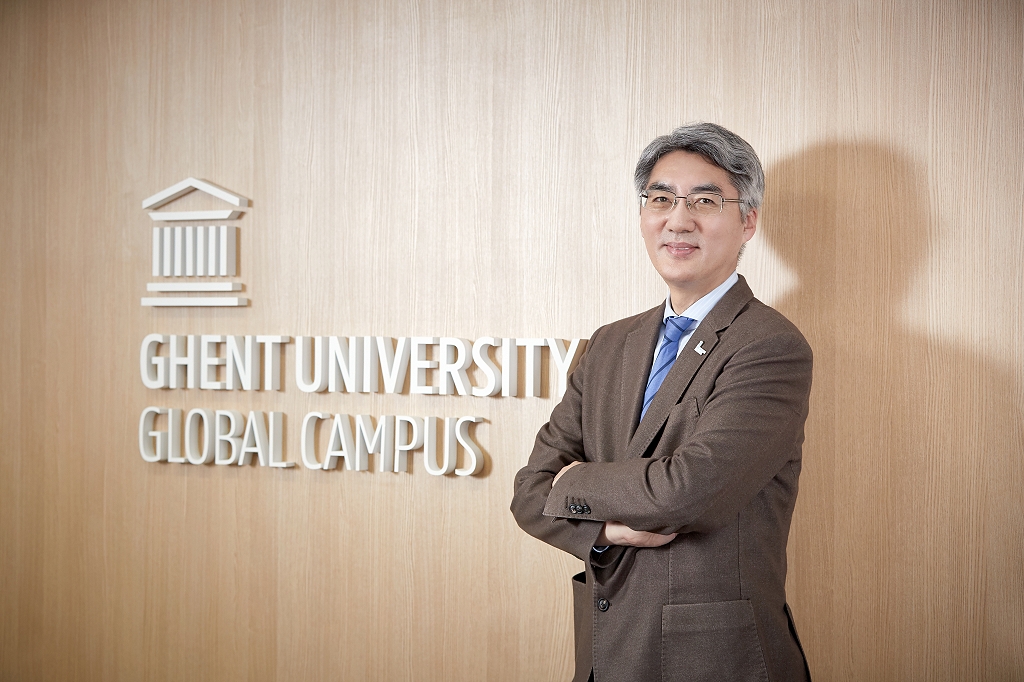
인천 송도 인천글로벌캠퍼스에 자리한 겐트대학교 글로벌캠퍼스(총장 한태준)를 통해 국제캠퍼스의 교육 경쟁력과 비용 대비 효과, 국내 초국경교육의 가능성을 살펴봤다.
◇ 학생 이동에서 대학 이동으로…국제캠퍼스 확산
국제캠퍼스(확장캠퍼스, Extended Campus)는 해외 대학이 다른 국가에 캠퍼스를 설치해 본교의 정규 교육과정을 운영하고, 학생에게 본교 학위를 수여하는 고등교육기관이다. 교환학생이나 어학연수와 달리 현지 캠퍼스와 본교 교육과정, 학위 체계를 갖춘 것이 특징이다.
1980년대 후반 미국 대학의 일본 진출을 계기로 주목받기 시작한 국제캠퍼스는 2000년대 들어 중국과 말레이시아, 싱가포르, 아랍에미리트 등으로 확산됐다. 최근에는 대학 명성뿐 아니라 전공 경쟁력과 연구 역량, 현지 산업과의 연계가 운영 성과를 판단하는 주요 기준으로 떠오르고 있다.
호주 모나시대학교 말레이시아캠퍼스와 중국 닝보 노팅엄대학교, 뉴욕대학교 아부다비캠퍼스 등이 대표 사례다. 이들 캠퍼스는 본교 수준의 교육과정과 현지 정부 지원, 지역 산업과 연계한 전공 운영을 통해 교육과 산업 기반을 함께 강화했다.
국제캠퍼스의 가장 큰 장점은 해외 유학에 필요한 주거비와 생활비, 항공료 부담을 줄이면서 외국 대학의 교육과 학위를 선택할 수 있다는 점이다. 학생은 국내에서 학업을 이어가면서 본교 수학과 해외 연구, 국제 취업 기회도 활용할 수 있다.
2026년 7월 현재 교육부가 외국교육기관으로 분류한 고등교육기관은 4곳이다. 모두 인천 송도 인천글로벌캠퍼스에 소재하고 있으며, 겐트대학교 글로벌캠퍼스, 한국뉴욕주립대학교, 조지메이슨대학교 한국캠퍼스, 유타대학교 아시아캠퍼스가 운영되고 있다.
◇ 생명과학 강한 세계 100위권 연구대학 '겐트대학교'
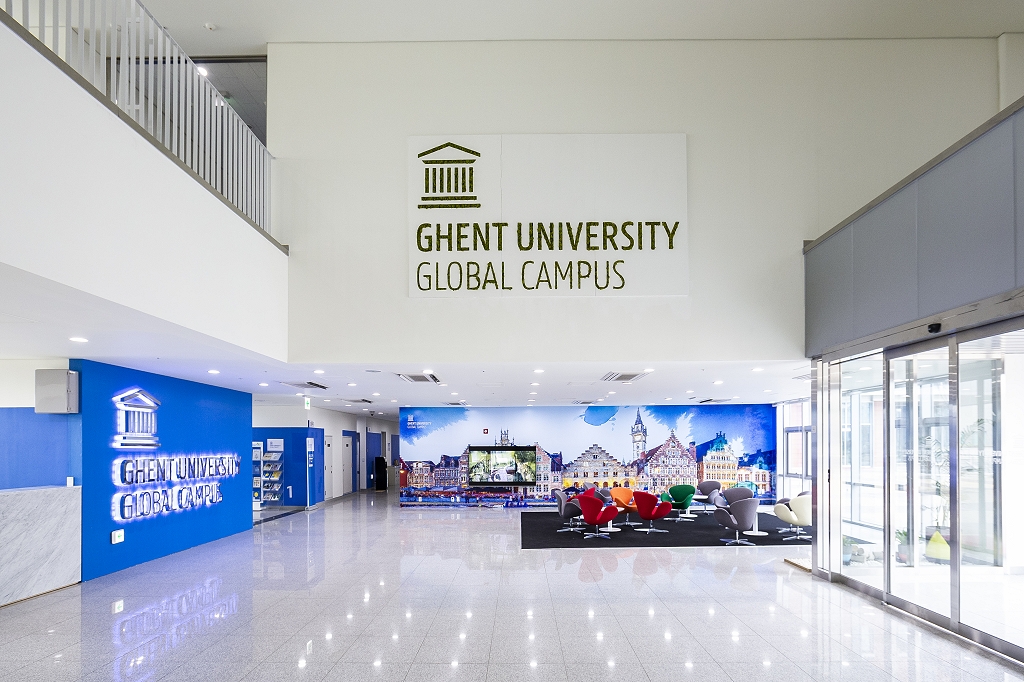
1817년 설립된 겐트대학교는 벨기에를 대표하는 연구중심대학이다. 2025년 상하이 세계대학학술순위에서 세계 91위에 올랐으며, 생명과학 분야에서 강한 연구 역량을 갖추고 있다.
같은 해 학문 분야별 평가에서 수의학 세계 4위, 생명공학 21위, 농업과학 36위를 기록했다. 식물생명공학과 분자생명공학, 식품과학, 환경 분야에서도 오랜 연구 기반을 보유하고 있다.
기초연구를 바탕으로 의학과 농업, 식품, 환경 산업에 활용할 기술 개발을 이어가고 있으며, 국제 공동연구와 산업 협력을 통해 연구 성과를 실제 기술 개발로 연결하는 데 주력하고 있다.
◇ 영어수업부터 본교 학위까지…세계 무대로 이어지는 교육
겐트대학교 글로벌캠퍼스는 분자생명공학과 환경공학, 식품공학 등 3개 학사과정을 운영한다. 생명과학 분야 연구 경쟁력을 교육과정에 집중한 전공 특화 캠퍼스다.
교육과정은 STEM 교과를 기반으로 하며, 이론과 실험·실습을 각각 50%씩 편성했다. 모든 수업은 영어로 진행된다. 1·2학년에는 생물학·화학·물리학·수학·정보학 등 기초과목을 배우고, 3학년부터 전공 심화과정에 들어간다.
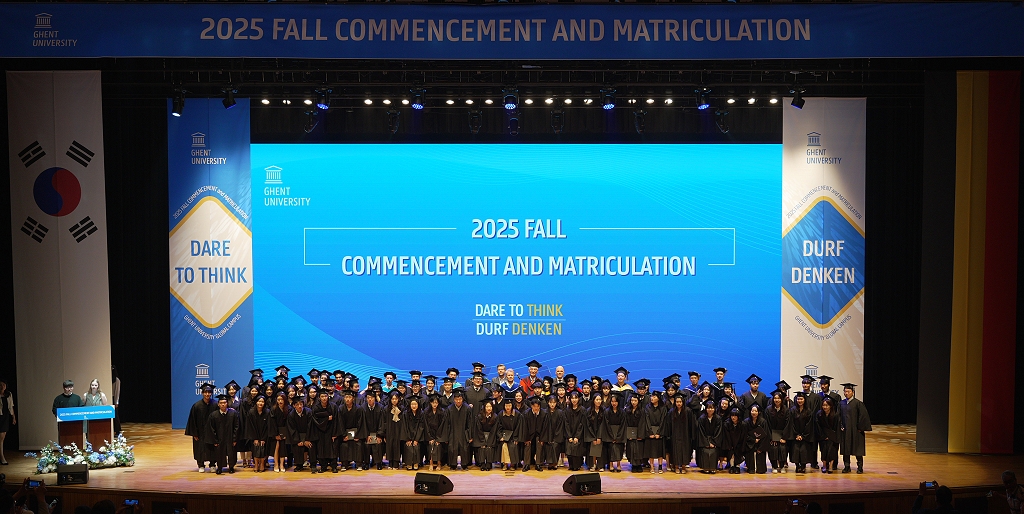
4학년 1학기에는 벨기에 본교에서 수업을 받는다. 본교 강의와 연구시설을 직접 경험한 뒤 졸업하면 벨기에 학생들과 동일한 겐트대학교 이학사 학위를 취득한다.
대학이 공개한 2025년 자료에 따르면 졸업생의 65%는 석사과정에 진학했고, 35%는 취업했다. 진학 대학에는 겐트대학교 본교와 ETH 취리히, 임페리얼 칼리지 런던, UCL, EPFL, 서울대, KAIST 등이 포함됐다.
취업자의 45%는 연구개발 분야로 진출했다. 품질보증·품질관리, 사업개발·인허가, 생산·공정 운영 등 전공과 연계된 분야의 비중도 높았다. 바이오·제약·식품·환경 분야의 연구와 전문 직무로 진출하는 전공 특화교육의 성격이 뚜렷한 셈이다.
신입생을 위한 장학제도도 마련돼 있다. 2027학년도 모집요강에 따르면 과학우수자와 입학평가 우수자에게 등록금 50~100% 지원 또는 감면 혜택이 제공된다. 형제·자매 재학 장학금과 외국인 입학성적 우수 장학금, IGC 미래인재 장학금 등도 운영된다.
이상민 학생(2학년)은 "해외 명문대의 이학사 학위를 취득할 수 있는 기회, 100% 영어로 진행되는 학업 환경, 그리고 한국에 머무르며 유학의 효과를 누릴 수 있다는 세 가지 조건이 겐트대학교 글로벌캠퍼스를 선택한 가장 큰 이유"라고 밝혔다.
또한 "입학 후 전공에 국한되지 않고 다양한 기초 과학을 깊이 있게 이수할 수 있으며, 3학년이 되면 적성에 맞는 세부 전공을 확신을 갖고 선택할 수 있다는 점도 큰 장점"이라고 강조했다.
◇ 유학의 현실적 대안…전공과 진로까지 따져야
고등교육과 전문교육에 대한 국제적 수요는 계속되고 있다. 반면 학령인구 감소와 고환율·고물가에 따른 학비·체류비 부담, 주요 유학 국가의 비자와 취업 여건 변화는 유학 선택에도 영향을 미치고 있다.
이런 상황에서 국제캠퍼스는 해외 대학의 교육과 학위를 국내에서 이수할 수 있는 현실적인 진학 경로로 부상하고 있다. 다만 대학의 명성만으로 선택해서는 안 된다. 전공 경쟁력과 교육과정, 본교와의 연계 수준, 졸업 후 진학과 취업 방향까지 꼼꼼히 살펴야 한다.
한태준 총장은 "겐트대학교 글로벌캠퍼스는 학생이 입학하는 순간부터 마치 용광로와 같은 교육과정을 통해 학생을 완전히 새로운 글로벌 인재로 다시 태어나게 한다는 확고한 교육 철학을 갖고 있다"며 "240학점 이수와 100% 영어 강의 등 벨기에 본교와 동일한 수준의 매우 엄격하고 밀도 높은 교육과정을 거치면서 학생들은 끊임없이 도전하고 성장하며 자신의 한계를 뛰어넘게 된다"고 말했다.
이어 "이러한 과정을 성공적으로 이겨낸 졸업생들은 원하는 대학원에 진학하고 원하는 기업에 취업하는 것을 넘어, 과학기술의 발전과 인류의 번영에 기여하는 진정한 글로벌 리더로 성장하게 될 것"이라고 강조했다.
결국 국제캠퍼스의 경쟁력은 해외 대학의 이름이 아니라 본교 수준의 교육을 얼마나 안정적으로 제공하느냐에 달려 있다. 교육 품질과 졸업생 진로, 재정 안정성, 지역 산업과의 협력 성과가 축적될 때 국제캠퍼스는 해외 유학을 대신할 수 있는 신뢰 받는 진학 경로로 자리 잡을 수 있다.
출처: https://www.metroseoul.co.kr/article/20260719500254 메트로신문 김대의 기자 dykimi@metroseoul.co.kr
[Special Feature] Overseas Universities, Now in Korea... Ghent University Global Campus
[Metro Seoul] The concept of studying abroad is changing. In the past, it was common for students to travel to a university's home campus overseas, but now "international campuses" — where universities establish a direct presence in cities with strong educational demand and industrial infrastructure, running the same curriculum and degree system as the home campus — have become an established pillar of higher education.
In Korea, studying abroad has never been a decision made by the student alone. Parents have shouldered high tuition, living costs, and exchange-rate burdens, and families have often been separated for extended periods. International campuses are drawing attention as a practical alternative that eases these burdens while still allowing students to receive an overseas university's education and degree without leaving the country.
We examined the educational competitiveness, cost-effectiveness, and potential of cross-border education in Korea through Ghent University Global Campus (Campus President Han Tae-jun), located at Incheon Global Campus in Songdo, Incheon.
◇ From Student Mobility to University Mobility... The Spread of International Campuses
An international campus (or "extended campus") is a higher education institution set up by an overseas university in another country, offering the home institution's regular curriculum and awarding its degrees. Unlike exchange programs or language-study trips, it is distinguished by having a local campus along with the home institution's curriculum and degree system.
International campuses first drew attention in the late 1980s when American universities began entering Japan, and in the 2000s the model spread to China, Malaysia, Singapore, the UAE, and elsewhere. Recently, factors such as program competitiveness, research capacity, and ties with local industry — not just university prestige — have emerged as key criteria for judging operational success.
Representative examples include Monash University Malaysia, the University of Nottingham Ningbo China, and NYU Abu Dhabi. These campuses have strengthened both education and industrial foundations through home-campus-level curricula, local government support, and programs linked to regional industry.
The biggest advantage of international campuses is that students can access a foreign university's education and degree while reducing the housing, living, and airfare costs that studying abroad would normally require. Students can continue their studies domestically while still taking advantage of opportunities to study at the home campus, conduct overseas research, and pursue international employment.
As of July 2026, the Ministry of Education classifies four higher education institutions as "foreign educational institutions." All are located at Incheon Global Campus in Songdo: Ghent University Global Campus, SUNY Korea, George Mason University Korea, and Utah Asia Campus.
◇ Ghent University: A Top-100 Global Research University with Strength in Life Sciences
Founded in 1817, Ghent University is one of Belgium's leading research universities. It ranked 91st in the world in the 2025 Academic Ranking of World Universities (Shanghai Ranking) and has strong research capabilities in the life sciences.
In the same year's subject rankings, it placed 4th in the world for veterinary science, 21st for biotechnology, and 36th for agricultural sciences. It also has a long-standing research base in plant biotechnology, molecular biotechnology, food science, and environmental fields.
Building on basic research, the university continues to develop technologies for use in medicine, agriculture, food, and environmental industries, and focuses on translating research outcomes into practical technology through international joint research and industry collaboration.
◇ From English-Taught Classes to a Home-Campus Degree... Education That Leads to the Global Stage
Ghent University Global Campus runs three bachelor's programs: Molecular Biotechnology, Environmental Technology, and Food Technology. It is a specialized campus that concentrates the university's research strength in the life sciences into its curriculum.
The curriculum is STEM-based, with theory and lab/practical work each making up 50%. All classes are taught in English. In the first and second years, students study foundational subjects such as biology, chemistry, physics, mathematics, and informatics, before moving into advanced major coursework starting in the third year.
In the first semester of their fourth year, students take classes at the home campus in Belgium. After experiencing the home campus's lectures and research facilities firsthand, graduates receive the same Ghent University Bachelor of Science degree awarded to students in Belgium.
According to 2025 data released by the university, 65% of graduates went on to master's programs and 35% entered employment. Universities where graduates continued their studies included Ghent University's home campus, ETH Zurich, Imperial College London, UCL, EPFL, Seoul National University, and KAIST.
Of those who entered employment, 45% went into R&D roles. Fields connected to their majors — such as quality assurance/quality control, business development/regulatory affairs, and production/process operations — also accounted for a significant share, reflecting the program's character as specialized education geared toward research and professional roles in the bio, pharmaceutical, food, and environmental sectors.
Scholarship programs are also available for incoming students. According to the 2027 admissions guidelines, students who excel in science or perform well in the admissions evaluation can receive tuition support or reductions of 50–100%. The university also offers a sibling-enrollment scholarship, a scholarship for high-performing international applicants, and the IGC Future Talent Scholarship, among others.
Sangmin Lee, a second-year student, said the main reasons he chose Ghent University Global Campus were three conditions: the opportunity to earn a bachelor's degree from a prestigious overseas university, a fully English-language academic environment, and the ability to enjoy the benefits of studying abroad while remaining in Korea.
He also emphasized that another major advantage is being able to study a range of basic sciences in depth after enrolling, rather than being confined to a single major, so that by third year students can confidently choose the specific specialization that suits their aptitude.
◇ A Practical Alternative to Studying Abroad... But Major and Career Paths Must Also Be Considered
International demand for higher and specialized education continues. At the same time, a shrinking school-age population, the burden of tuition and living costs driven by a high exchange rate and inflation, and changing visa and employment conditions in major study-abroad destinations are all affecting decisions about studying overseas.
Against this backdrop, international campuses are emerging as a practical pathway for completing an overseas university's education and degree within Korea. However, a school should not be chosen on reputation alone — prospective students need to carefully examine program competitiveness, the curriculum, the degree of integration with the home campus, and post-graduation outcomes in further study and employment.
Campus President Taejun Han said that from the moment a student enrolls, Ghent University Global Campus holds to an educational philosophy of putting them through a curriculum like a furnace, reshaping them into an entirely new kind of global talent. He added that by completing 240 credits and taking courses that are 100% English-taught — a rigorous, intensive curriculum equal in level to the home campus in Belgium — students are continually challenged to grow and push past their own limits.
He went on to stress that graduates who successfully complete this process will go beyond simply entering the graduate school or company of their choice, growing instead into true global leaders who contribute to the advancement of science and technology and to human prosperity.
Ultimately, an international campus's competitiveness depends not on the name of the overseas university but on how consistently it can deliver education at the level of the home campus. As educational quality, graduate outcomes, financial stability, and results from collaboration with local industry accumulate, international campuses can establish themselves as a trusted pathway that can stand in for studying abroad.
Source: metroseoul.co.kr, Metro Seoul, Reporter Daeui Kim (dykimi@metroseoul.co.kr)


